


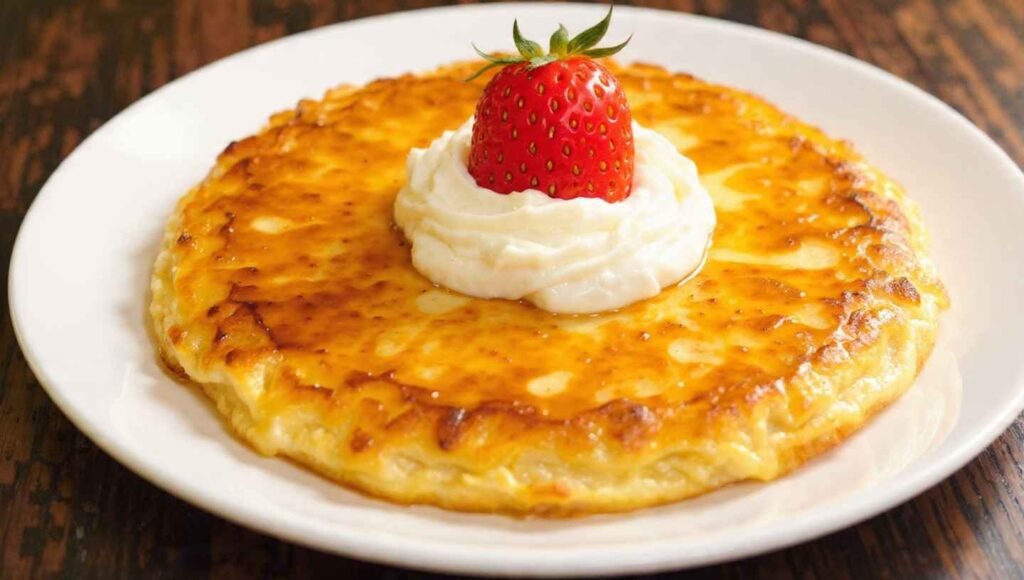
We present a Baked German Pancake Recipe that delivers exceptional flavor, dramatic oven rise, and a soft custard-like center with crisp golden edges. This timeless dish, also known as a Dutch Baby Pancake, is baked in the oven instead of cooked on the stovetop, creating a visually impressive and deeply satisfying breakfast or brunch option. Our method focuses on precision, simplicity, and reliable results, making it suitable for both everyday mornings and special occasions.
This article provides a complete, detailed, and optimized guide that ensures consistency, taste, and presentation, while maintaining a formal and authoritative tone throughout.

What Makes a Baked German Pancake Unique
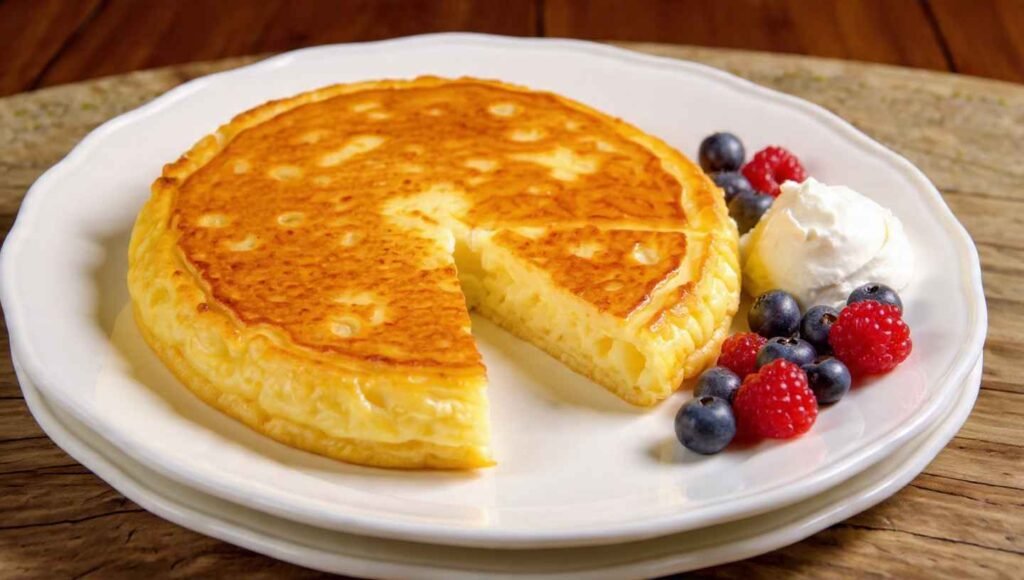
A Baked German Pancake differs from traditional pancakes in structure, preparation, and texture. Instead of flipping batter in a pan, the mixture is poured into a hot oven-safe skillet, allowing steam to create a dramatic rise. The result is a pancake that puffs high, curls at the edges, and settles into a tender center once removed from the oven.
Key distinguishing features include:
-
Oven-baked technique
-
Egg-forward custard texture
-
Crisp edges with a soft interior
-
Minimal ingredients with maximum impact
This preparation method ensures even cooking and eliminates the need for multiple batches.
Essential Ingredients for the Best Results
We rely on simple, high-quality ingredients that work together to create a balanced and rich pancake. Accuracy in measurement is essential.
Ingredients:
-
3 large eggs, room temperature
-
¾ cup whole milk, room temperature
-
¾ cup all-purpose flour, sifted
-
¼ teaspoon salt
-
1 teaspoon pure vanilla extract
-
3 tablespoons unsalted butter
Each ingredient plays a critical role. Eggs provide structure, milk adds moisture, flour forms the base, and butter ensures proper browning and flavor.
Equipment Required for Proper Baking
To achieve the ideal rise and texture, we recommend using the following equipment:
-
10-inch cast iron skillet or oven-safe pan
-
High-speed blender or whisk
-
Preheated oven set to 425°F (220°C)
A cast iron skillet retains heat effectively, which is essential for creating the signature puff.
Step-by-Step Baked German Pancake Recipe
Prepare the Oven and Skillet
We begin by preheating the oven to 425°F (220°C). Place the skillet inside the oven while it heats. This step is critical, as pouring the batter into a hot pan triggers immediate steam and lift.
Blend the Batter
In a blender, combine the eggs, milk, flour, salt, and vanilla extract. Blend for 20–30 seconds until the batter is completely smooth and free of lumps. A uniform batter ensures even baking and optimal texture.
Allow the batter to rest for 5 minutes to relax the gluten.
Melt the Butter
Carefully remove the hot skillet from the oven. Add the unsalted butter and swirl until fully melted and evenly coating the pan.
Bake to Perfection
Immediately pour the batter into the hot skillet. Return it to the oven and bake for 18–22 minutes, or until the pancake is puffed, golden brown, and slightly crisp at the edges.
Do not open the oven during baking, as sudden temperature changes can cause the pancake to collapse prematurely.
Serving Suggestions and Presentation
Once removed from the oven, the pancake will naturally deflate slightly. This is expected and desirable.
We recommend serving immediately with the following toppings:
-
Powdered sugar
-
Fresh lemon juice
-
Maple syrup
-
Fresh berries
-
Whipped cream
For a savory variation, consider adding sautéed vegetables, herbs, or cheese after baking.
Flavor Variations to Elevate the Recipe
This Baked German Pancake Recipe is highly adaptable. We suggest experimenting with the following variations:
Cinnamon Sugar German Pancake
Add ½ teaspoon ground cinnamon to the batter and sprinkle sugar over the buttered skillet before baking.
Apple German Pancake
Sauté thinly sliced apples with butter and sugar in the skillet before adding the batter. This creates a caramelized fruit base.
Savory Herb Pancake
Omit vanilla and add fresh thyme, rosemary, or chives along with grated cheese for a savory option.
Common Mistakes to Avoid
To ensure consistent success, we recommend avoiding these common issues:
-
Using cold ingredients, which reduces rise
-
Skipping skillet preheating
-
Overbaking, which dries the center
-
Under-blending the batter
Precision and timing are essential for optimal results.
Nutritional Overview
A standard serving provides:
-
High-quality protein from eggs
-
Calcium from milk
-
Balanced carbohydrates from flour
-
Healthy fats from butter
This dish offers a satisfying balance suitable for breakfast or brunch when paired with fruit or protein.
Why This Recipe Delivers Superior Results
We focus on temperature control, ingredient balance, and technique to ensure this recipe produces consistent results. The method eliminates guesswork and delivers a pancake with the ideal rise, texture, and flavor profile every time.
This approach ensures:
-
Reliable oven spring
-
Even cooking
-
Professional presentation
-
Scalable portions
Storage and Reheating Guidelines
While best served fresh, leftovers can be stored properly.
-
Store in an airtight container in the refrigerator for up to 2 days
-
Reheat in a 350°F (175°C) oven for 5–7 minutes
-
Avoid microwaving to preserve texture
Final Thoughts on the Baked German Pancake Recipe
This Baked German Pancake Recipe represents a refined, dependable, and visually impressive dish that fits seamlessly into both casual and formal dining settings. By following our method, we achieve a perfectly baked pancake with crisp edges, a tender center, and exceptional flavor.


