


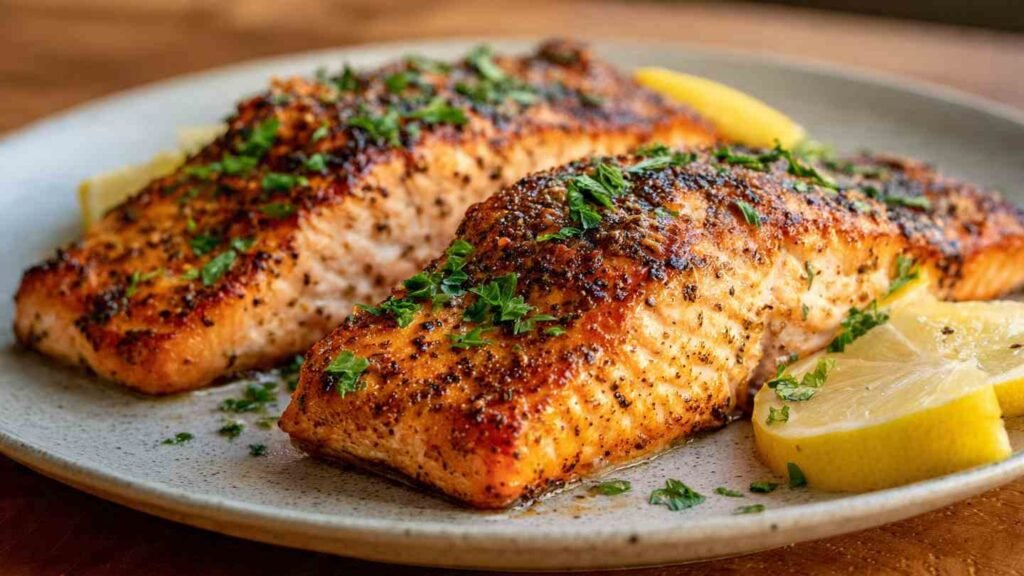
We proudly share our Best Damn Air Fryer Salmon Recipe, a refined, carefully tested method that delivers exceptionally moist salmon with crisp edges and bold, balanced seasoning. This is not a rushed or generic preparation. It is a thoughtfully structured recipe built to ensure consistent texture, deep flavor infusion, and visual appeal with every cook. By mastering air fryer heat circulation and seasoning harmony, we achieve salmon that is tender at the center, lightly caramelized on the surface, and clean in finish.
This recipe is ideal for busy evenings, health-conscious meals, or elegant presentations. Using simple ingredients and precise technique, we elevate salmon into a dish that feels indulgent yet effortless.
A Brief History of Salmon Cooking
Salmon has long been celebrated across cultures for its rich oils, satisfying texture, and nutritional density. Traditionally pan-seared, grilled, or oven-baked, salmon cooking required close attention to prevent dryness. The air fryer revolutionized this process by introducing rapid hot-air circulation, allowing salmon to cook evenly while retaining its natural moisture.
Our method builds on this modern approach, refining time, temperature, and seasoning ratios to produce repeatable, high-quality results. This recipe represents the most efficient and flavorful way to prepare salmon in today’s kitchens.
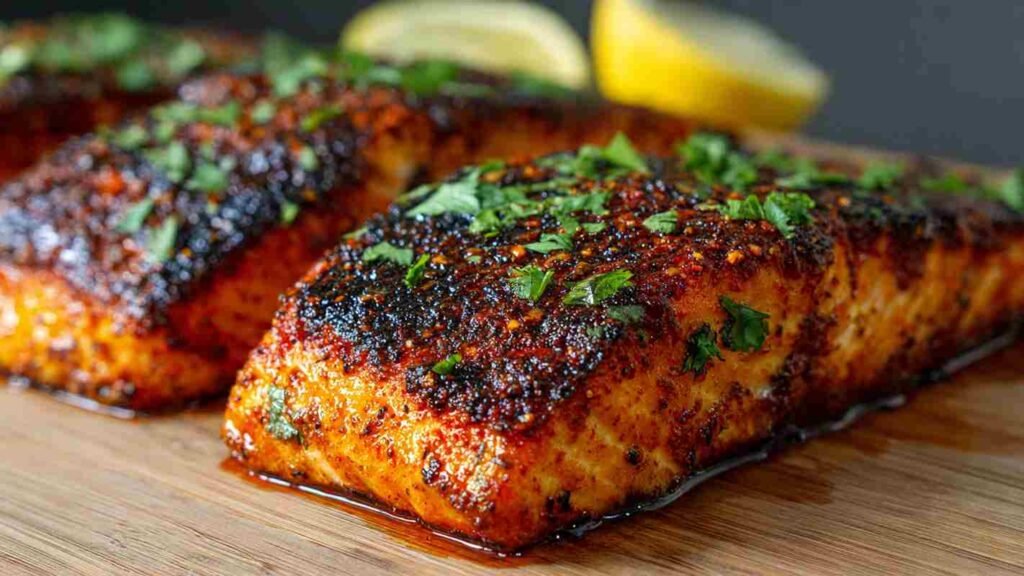

What Makes This Recipe Exceptional
This air fryer salmon recipe stands apart because we focus on precision rather than shortcuts. Every element contributes to the final outcome:
-
Balanced dry seasoning enhances the fish without masking its natural taste
-
Optimal air fryer temperature promotes surface browning without overcooking
-
Light oil application supports crisping while keeping the dish light
-
Resting time allows juices to redistribute for maximum tenderness
The result is salmon that is succulent, aromatic, and deeply satisfying.
Ingredients for the Best Damn Air Fryer Salmon
Primary Ingredients
-
4 salmon fillets (5–7 oz each, evenly cut)
-
2 tablespoons high-quality olive oil
-
1 teaspoon fine sea salt
-
1 teaspoon cracked black pepper
-
1 teaspoon smoked paprika
-
1 teaspoon garlic powder
-
½ teaspoon onion powder
-
½ teaspoon dried oregano
-
½ teaspoon dried thyme
Optional Enhancements
-
Fresh lemon slices
-
Chili flakes for gentle heat
-
Fresh parsley or dill
-
Honey or maple glaze (lightly brushed)
Each ingredient is selected to support flavor layering, color development, and aroma without overpowering the salmon.
Selecting the Right Salmon
For best results, we recommend fresh Atlantic, king, or sockeye salmon. The flesh should be firm, vibrant, and free of strong odor. Uniform thickness ensures even cooking. Skin-on fillets help retain moisture, while skinless fillets absorb seasoning more directly—both work beautifully with this technique.
Step-by-Step Instructions
Step 1: Prepare the Fillets
Pat the salmon completely dry using paper towels. This step is critical for achieving a lightly crisp exterior and preventing steaming.
Step 2: Season the Salmon
In a small bowl, combine salt, black pepper, smoked paprika, garlic powder, onion powder, oregano, and thyme. Brush each fillet lightly with olive oil, then coat evenly with the seasoning blend, ensuring full coverage.
Step 3: Preheat the Air Fryer
Preheat the air fryer to 400°F (200°C) for 3–4 minutes. Proper preheating ensures immediate heat contact and superior texture.
Step 4: Arrange for Airflow
Place the salmon fillets in a single layer inside the basket, leaving space between each piece. Proper airflow is essential for even browning and uniform doneness.
Step 5: Cook to Perfection
Air fry at 400°F for 8–10 minutes, depending on thickness. The salmon should flake easily and appear opaque throughout. The internal temperature should reach 145°F (63°C).
Step 6: Rest and Finish
Remove the salmon and let it rest for 2 minutes. Finish with fresh lemon juice and chopped herbs to brighten the flavors.
Expert Tips for Outstanding Results
-
Avoid overcrowding the basket
-
Always start with dry salmon
-
Use a thermometer for accuracy
-
Do not overcook—salmon continues to cook after removal
-
Adjust seasoning subtly rather than excessively
These practices ensure consistent, restaurant-quality outcomes.
Serving Ideas
This air fryer salmon pairs exceptionally well with:
-
Roasted vegetables
-
Garlic rice or lemon quinoa
-
Fresh cucumber salad
-
Steamed greens or asparagus
Its versatility allows it to shine in both casual meals and refined presentations.
Health & Nutrition Benefits
Air fryer salmon is naturally high in lean protein and omega-3 fatty acids, supporting heart health and muscle recovery. Air frying requires minimal oil, making this dish suitable for low-carb, keto, gluten-free, and clean-eating lifestyles.
Key benefits include:
-
High protein content
-
Rich omega-3 profile
-
Excellent vitamin D source
-
Low in saturated fat
Common Mistakes to Avoid
-
Cooking salmon straight from frozen
-
Skipping preheating
-
Using heavy marinades that burn
-
Cooking at low temperatures
Avoiding these ensures clean flavor and ideal texture.
Final Thoughts
Our Best Damn Air Fryer Salmon Recipe is a dependable, flavor-driven method designed for cooks who value precision, quality, and efficiency. With proper seasoning, accurate heat control, and thoughtful preparation, this recipe delivers perfectly cooked salmon every time.
Frequently Asked Questions
What is the best way to air fry salmon?
The best way is to pat the salmon dry, season lightly, and cook it in a preheated air fryer at high heat. This method creates a crisp exterior while keeping the inside moist and flaky.
How long does raw salmon take in the air fryer?
Raw salmon typically takes 8–10 minutes at 400°F (200°C), depending on the thickness of the fillet. Thicker cuts may need an extra minute for perfect doneness.
What are common mistakes when air frying salmon?
Common mistakes include overcrowding the basket, skipping preheating, using wet marinades, and overcooking. These errors often result in uneven cooking or dry salmon.
How to not dry out salmon in an air fryer?
To prevent dryness, use a light oil coating, cook at high heat for a short time, and remove the salmon as soon as it flakes easily. Letting it rest briefly also helps retain juices.


