


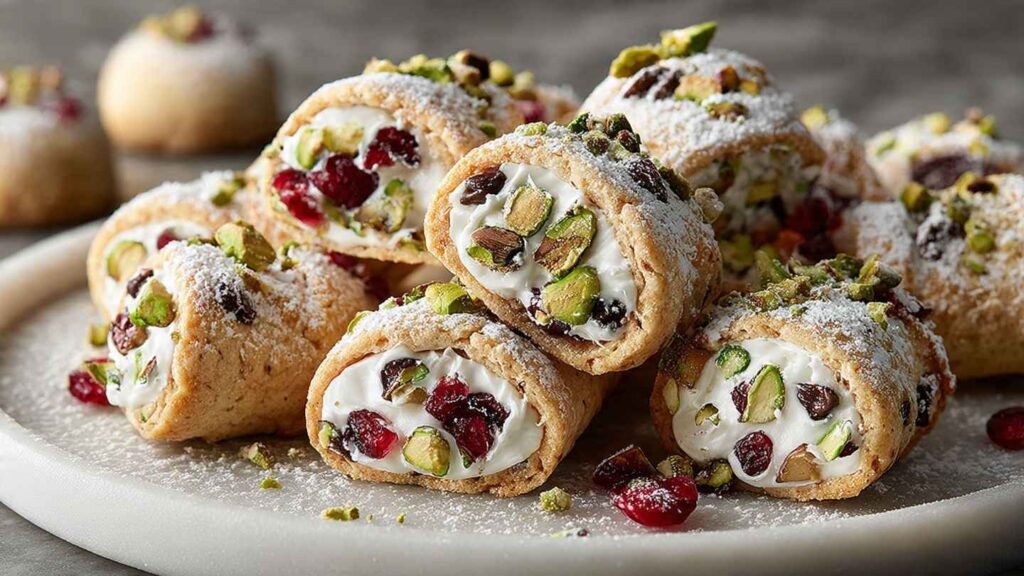
If there’s one treat that screams comfort, celebration, and old-world charm all at once, it’s Italian cannoli cookies. Imagine the creamy, citrus-kissed flavor of classic cannoli wrapped up in a soft, bakery-style cookie. Sounds dreamy, right? These cookies are like the holiday sweater of desserts—warm, nostalgic, and impossible not to love.
Cannoli cookies have quietly become a holiday staple in many homes, especially during Christmas and winter gatherings. They bring together tradition and convenience, offering all the flavor of classic cannoli without the mess of frying shells or filling them at the last minute.
Why Cannoli Cookies Are a Holiday Favorite
Holidays are all about sharing, and cannoli cookies are made for that. They’re easy to stack on platters, simple to package as gifts, and perfect with a cup of coffee after a big meal. Unlike traditional cannoli, these cookies are less delicate and travel beautifully—no cracked shells or oozing filling to worry about.
They also carry that unmistakable Italian bakery aroma. One bite, and suddenly you’re standing in a little pastry shop, glass case fogged with sweetness, nonna smiling from behind the counter.

A Brief History of Italian Cannoli
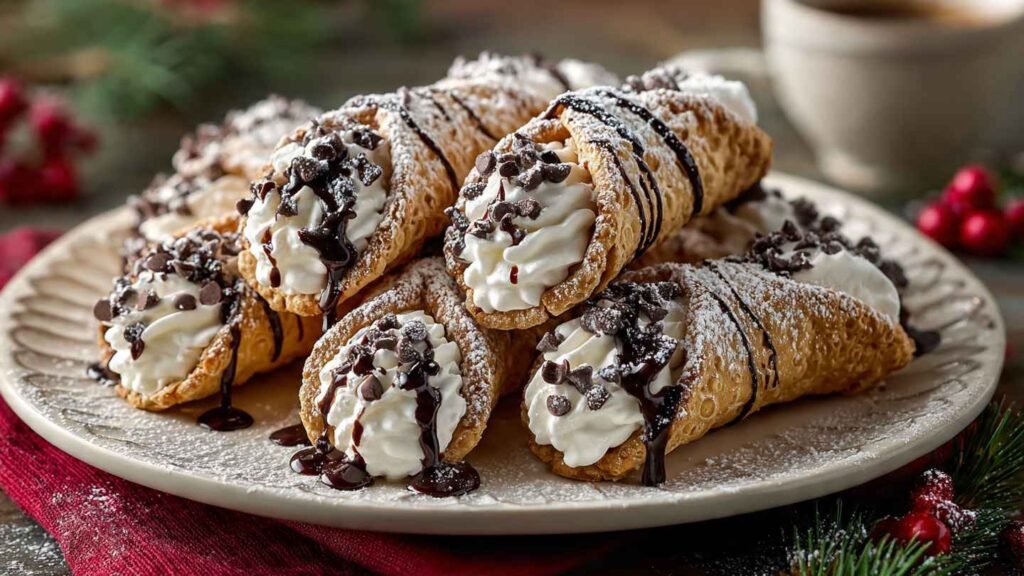
Cannoli originated in Sicily, where crispy fried shells were filled with sweetened ricotta, often flavored with citrus or cinnamon. Traditionally associated with celebrations, cannoli symbolized indulgence and joy. Over time, Italian bakers began reinventing the flavors into cakes, dips, and eventually cookies.
Cannoli cookies are the modern twist—respecting tradition while fitting perfectly into today’s busy holiday schedules.
What Makes Cannoli Cookies Different
Cannoli vs Traditional Cookies
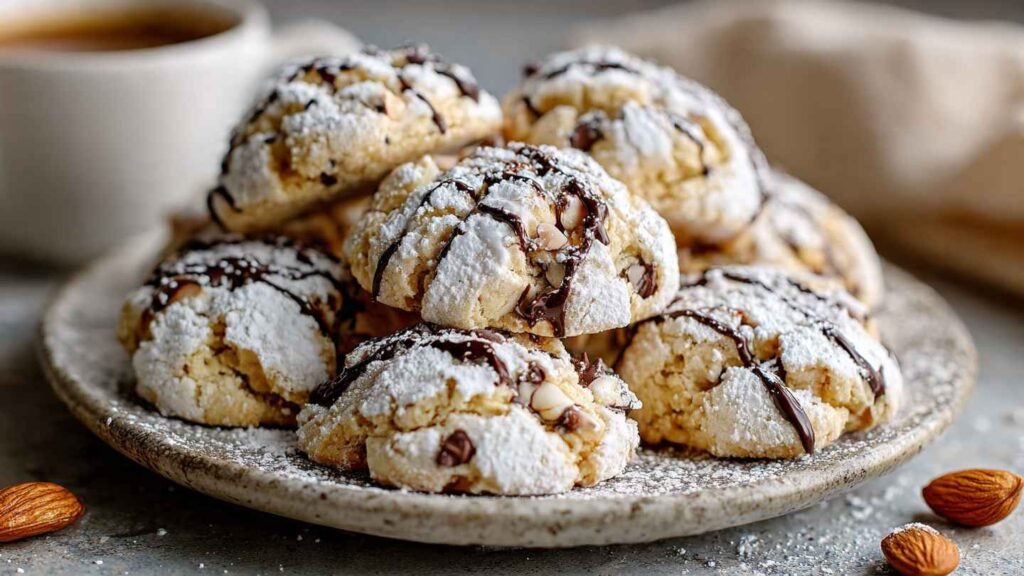
Most cookies rely heavily on butter and sugar for flavor. Cannoli cookies, on the other hand, lean on ricotta cheese. This gives them a softer, almost cake-like texture that stays moist for days. They’re rich without being heavy, sweet without being overpowering.
Cannoli Cookies vs Classic Cannoli
Classic cannoli are crunchy and creamy. Cannoli cookies are soft and creamy-adjacent, often filled or topped with a ricotta-based frosting. Think of them as cannoli’s cozy cousin—less dramatic, more comforting.
Key Ingredients in Italian Cannoli Cookies
Ricotta Cheese
This is the heart and soul of the cookie. Ricotta adds moisture, tenderness, and that unmistakable cannoli flavor. Always use well-drained ricotta to avoid soggy dough.
Chocolate Chips
Mini chocolate chips are traditional, offering little bursts of sweetness in every bite. Dark chocolate works beautifully if you want a more grown-up flavor.
Citrus Zest
Orange or lemon zest brightens everything up. It’s like sunshine sneaking into your winter baking.
Optional Flavor Add-Ins
H4: Popular Extras
-
Cinnamon or nutmeg
-
Chopped pistachios
-
Vanilla bean paste
-
Almond extract
These small additions can completely change the personality of your cookies.
Essential Kitchen Tools You’ll Need
You don’t need fancy equipment to make cannoli cookies. A mixing bowl, hand mixer, baking sheet, and parchment paper will do the job. If you’re filling the cookies, a piping bag (or zip-top bag with the corner snipped) makes life easier.
Step-by-Step Guide to Making Cannoli Cookies
Preparing the Dough
Start by creaming sugar and butter until light and fluffy. Add ricotta, eggs, and flavorings, then gently mix in dry ingredients. The dough will be soft and slightly sticky—that’s exactly what you want.
Shaping the Cookies
Scoop the dough into rounds and space them well apart. These cookies like a little breathing room as they bake.
Baking to Perfection
Bake until the edges are set but the centers still look soft. Overbaking is the enemy here. You want tender, pillowy cookies.
Cooling and Filling
Let cookies cool completely before filling or frosting. Warm cookies will melt the filling, and nobody wants a slippery cannoli situation.
Popular Variations of Cannoli Cookies
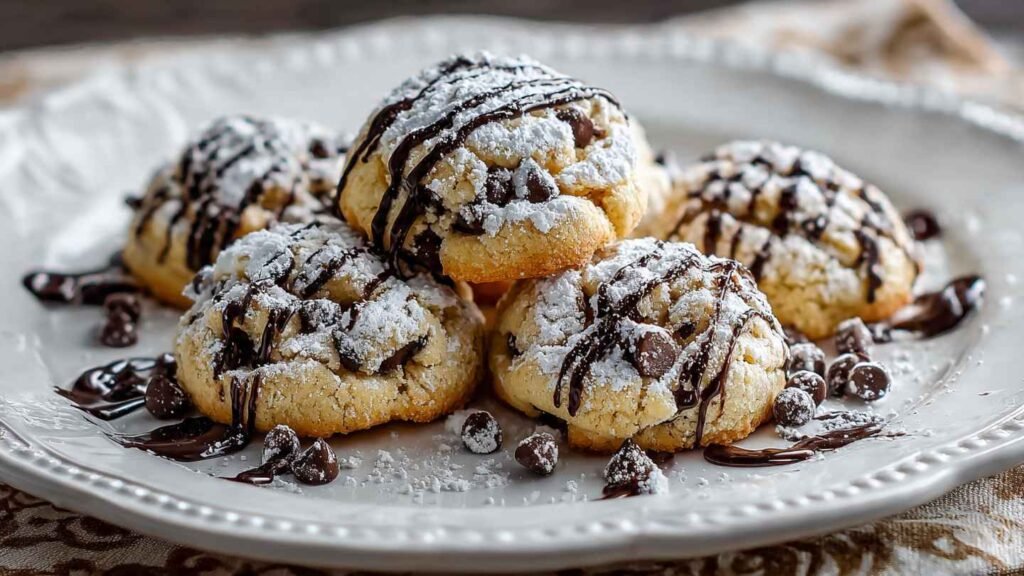
Chocolate-Dipped Cannoli Cookies
Dip half the cookie in melted chocolate and let it set. It adds elegance and a little crunch.
Pistachio Cannoli Cookies
Fold chopped pistachios into the dough or sprinkle them over the filling for a classic Sicilian touch.
Holiday Spiced Cannoli Cookies
Add cinnamon, nutmeg, or even a pinch of clove for a festive twist that pairs beautifully with hot cocoa.
Tips for Perfect Cannoli Cookies Every Time
Texture Tips
-
Drain ricotta thoroughly
-
Don’t overmix the dough
-
Bake just until set
Flavor Balance Tips
Taste your filling before piping. A little extra zest or vanilla can make all the difference.
Serving Ideas for the Holidays
Cookie Platters
Arrange cannoli cookies with biscotti and butter cookies for an Italian-inspired dessert tray.
Gift Boxes and Tins
Layer cookies between parchment paper and tie the box with ribbon. Instant holiday magic.
How to Store Cannoli Cookies Properly
Unfilled cookies can be stored at room temperature for several days. Filled cookies should be refrigerated and enjoyed within 2–3 days for best texture and flavor.
Make-Ahead and Freezing Tips
You can freeze unfilled cookies for up to two months. Thaw, fill, and serve—no one will ever know they weren’t freshly baked.
Why Cannoli Cookies Are Perfect for Entertaining
They’re familiar yet unique, impressive without being intimidating. Guests recognize the flavor but love the cookie format. It’s a win-win.
Nutritional Overview
Cannoli cookies are an indulgence, no doubt. But thanks to ricotta, they’re slightly lighter than butter-heavy cookies. Everything in moderation, right?
Common Mistakes to Avoid
-
Using watery ricotta
-
Overbaking
-
Overfilling cookies too early
Avoid these, and you’re golden.
Cannoli Cookies Around the World
From Italian-American bakeries in New York to holiday tables in Europe, cannoli cookies have become a global favorite—proof that great flavors know no borders.
Conclusion
Italian cannoli cookies are more than just a dessert—they’re a holiday tradition in the making. Soft, flavorful, and endlessly customizable, they bring the heart of Italian baking into a form that fits perfectly into modern celebrations. Whether you’re baking for family, friends, or just yourself, these cookies deliver comfort, nostalgia, and pure joy in every bite.
FAQS
1. Can I make cannoli cookies without ricotta?
Ricotta gives the classic flavor and soft texture, but mascarpone or well-drained cream cheese can be used as substitutes. The taste will be slightly different but still delicious.
2. Are cannoli cookies very sweet?
No, they’re mildly sweet and well-balanced. Citrus zest and ricotta keep them from tasting overly sugary.
3. Can I make them gluten-free?
Yes, a good 1:1 gluten-free all-purpose flour works well. Make sure it includes a binding agent like xanthan gum.
4. Do cannoli cookies need refrigeration?
Only filled cookies need refrigeration. Unfilled cookies can be stored at room temperature in an airtight container.
5. Can kids enjoy cannoli cookies?
Yes, they’re kid-friendly. Just avoid adding any alcohol-based flavorings to the dough or filling.


