


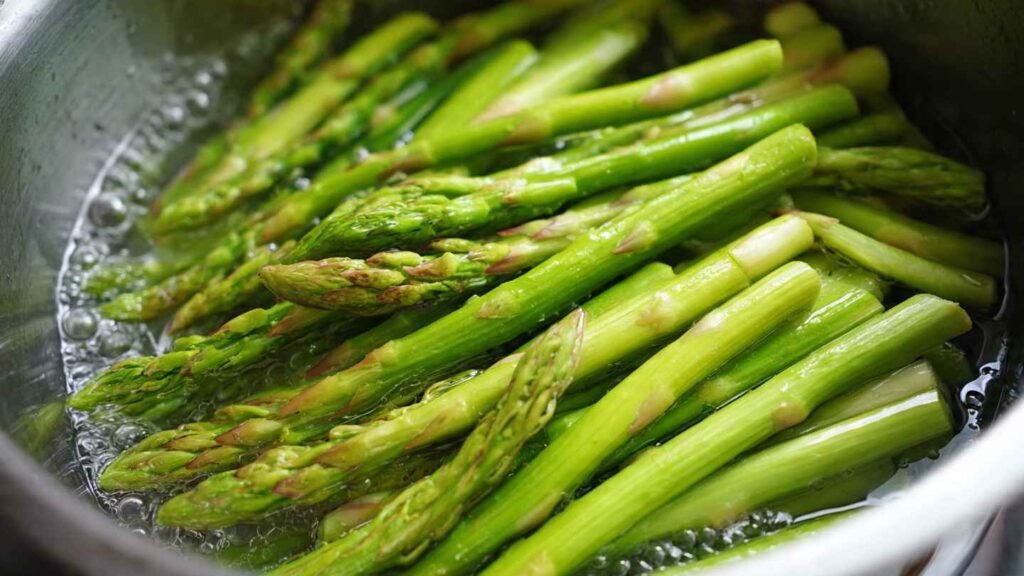
How To Cook Canned Asparagus means warming and seasoning asparagus that comes in a can. It is already cooked and soft. You only need to drain it and heat it gently.
Many people think canned asparagus tastes bland or mushy. But it can taste good with simple steps. With butter, lemon, or garlic, it becomes fresh and flavorful.
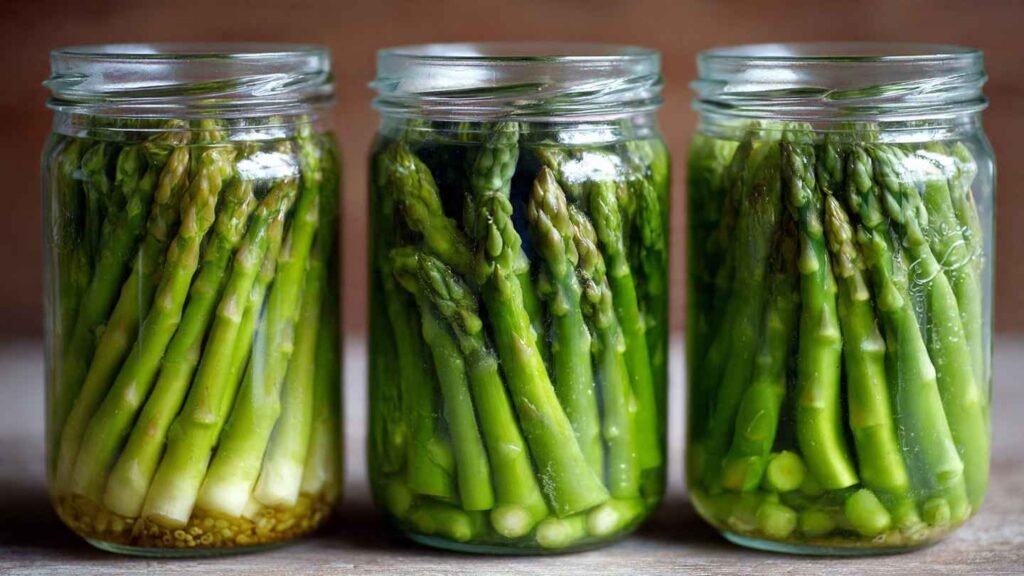
Canned asparagus is picked and packed in water with salt. It has a soft texture and mild taste. It is easy to store and quick to prepare anytime.
This guide will show you exactly how to cook canned asparagus using simple techniques that enhance its natural flavor while preventing it from turning mushy. Whether you need a quick side dish for dinner, a last-minute addition to brunch, or an easy vegetable for meal prep, this method delivers every time.

Why Cook Canned Asparagus?
Canned asparagus is:
-
Affordable and budget-friendly
-
Shelf-stable and convenient
-
Pre-cooked and ready in minutes
-
Perfect for quick weeknight meals
Because it’s already cooked during the canning process, the goal isn’t to “cook” it from scratch—it’s to reheat and enhance it without overcooking.
This recipe is ideal for:
-
Busy families
-
Beginner cooks
-
College students
-
Anyone needing a fast vegetable side
-
Budget-conscious households
If fresh asparagus isn’t in season or available, canned asparagus is a smart alternative.
Ingredients
-
1 can asparagus spears
-
1–2 tablespoons butter or olive oil
-
Salt, to taste
-
Black pepper, to taste
-
Optional: garlic powder, lemon juice, grated Parmesan cheese
That’s it. Simple ingredients, big improvement in flavor.
Kitchen Equipment Needed
-
Can opener
-
Strainer or colander
-
Medium skillet or sauté pan
-
Spatula or tongs
-
Paper towels (optional, for drying)
-
Serving dish
No fancy tools required—just the basics.
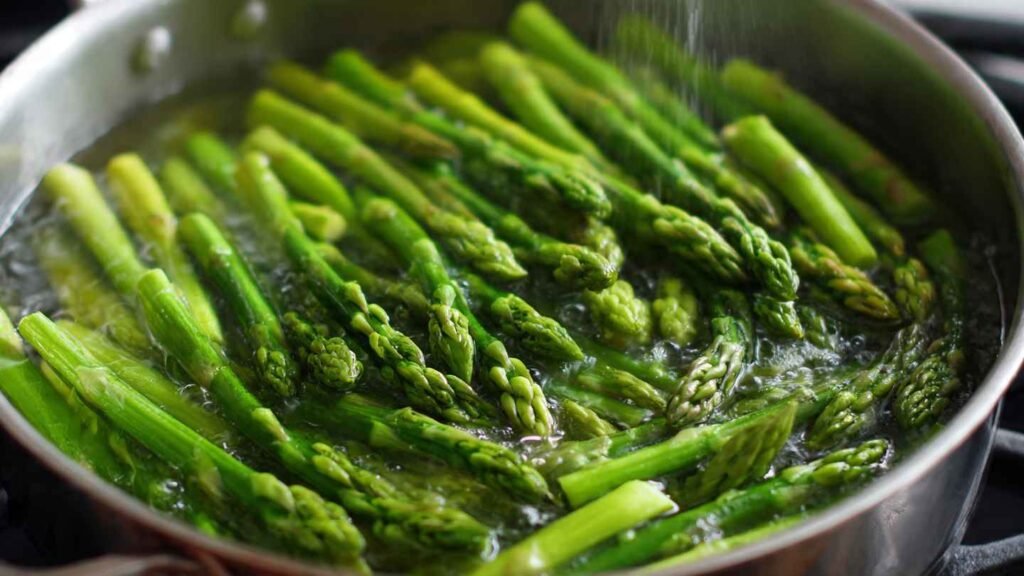
Step-By-Step: How To Cook Canned Asparagus
Step 1: Drain Thoroughly
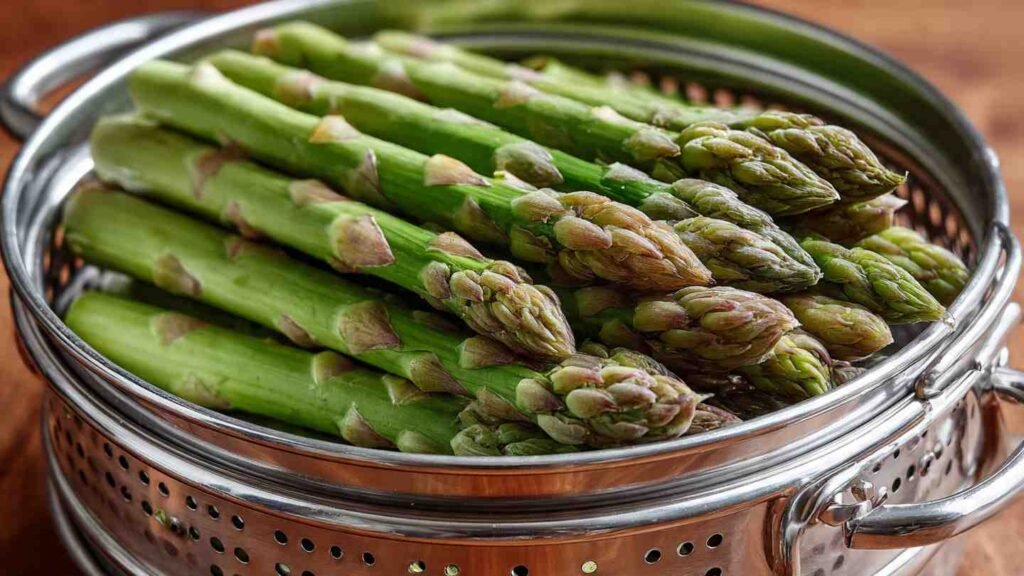
Open the can and pour the asparagus into a strainer. Let it drain completely. For best results, gently pat the spears dry with paper towels. Removing excess liquid prevents sogginess and improves texture.
Step 2: Heat Butter or Oil
Place a skillet over medium heat. Add 1–2 tablespoons of butter or olive oil. Allow it to melt or warm fully before adding the asparagus.
Step 3: Add the Asparagus
Carefully place the drained asparagus spears into the skillet. Since they are already soft, handle them gently to avoid breaking.
Step 4: Warm, Don’t Overcook
Heat for 3–5 minutes, turning occasionally. You’re simply warming and lightly sautéing—not cooking from raw. Overheating will make the spears mushy.
Step 5: Season and Finish
Add salt and pepper to taste. Optional enhancements include:
-
A squeeze of fresh lemon juice
-
A sprinkle of garlic powder
-
Fresh cracked pepper
-
Grated Parmesan cheese
Serve immediately for best texture.
Pro Tips for Perfect Canned Asparagus
1. Always Drain Well
Excess liquid equals watery flavor. Draining is the most important step.
2. Don’t Boil It
Canned asparagus is already cooked. Boiling will destroy the texture.
3. Add Brightness
Lemon juice, vinegar, or fresh herbs help cut through the softness and elevate flavor.
4. Use Medium Heat
High heat can cause burning and breakdown. Gentle warming works best.
5. Add Texture
Top with toasted breadcrumbs or crushed nuts for contrast.
Flavor Variations
Once you master the basic method, try these creative upgrades:
Garlic Butter Asparagus
Add minced garlic to the butter and sauté for 30 seconds before adding asparagus.
Lemon Herb Version
Finish with lemon zest, fresh parsley, and thyme.
Parmesan Crusted
Sprinkle Parmesan over asparagus and broil for 1–2 minutes until slightly golden.
Spicy Kick
Add red pepper flakes or a dash of hot sauce.
Asian-Inspired
Drizzle with soy sauce and sesame oil, then sprinkle with sesame seeds.
Shortcut Methods
Need it even faster?
Microwave Method
-
Drain asparagus.
-
Place in microwave-safe dish.
-
Add butter and seasonings.
-
Heat 1–2 minutes until warm.
Oven Method
-
Drain and spread on baking sheet.
-
Drizzle with olive oil.
-
Roast at 400°F (200°C) for 8–10 minutes.
Oven roasting adds slightly better texture compared to stovetop.
How To Use Cooked Canned Asparagus
Beyond serving as a side dish, try using it in:
-
Omelets and frittatas
-
Pasta dishes
-
Creamy casseroles
-
Quiches
-
Salads (chopped)
-
Grilled cheese sandwiches
It pairs especially well with eggs, chicken, salmon, and steak.
Food Pairing Suggestions
Protein Pairings
-
Grilled chicken breast
-
Pan-seared salmon
-
Roast beef
-
Pork chops
-
Scrambled or poached eggs
Carb Pairings
-
Mashed potatoes
-
Buttered rice
-
Garlic bread
-
Creamy pasta
Drink Pairings
-
Chardonnay
-
Sauvignon Blanc
-
Sparkling water with lemon
-
Light iced tea
Its mild flavor complements rich dishes beautifully.
Storage Instructions
Refrigeration
Store leftovers in an airtight container in the refrigerator for up to 3 days.
Reheating
Reheat gently in a skillet over medium-low heat or microwave in 30-second intervals.
Avoid reheating multiple times, as texture will deteriorate.
Freezing
Freezing is not recommended. The texture becomes extremely soft once thawed.
Nutritional Benefits of Asparagus
Even canned asparagus retains valuable nutrients such as:
-
Fiber
-
Folate
-
Vitamin K
-
Antioxidants
While some nutrients may reduce during canning, it remains a healthy vegetable option—especially when compared to heavily processed sides.
Common Mistakes To Avoid
-
Not draining properly
-
Cooking too long
-
Using high heat
-
Overseasoning before tasting
-
Skipping acid (like lemon)
A light touch makes all the difference.
Final Thoughts
Learning how to cook canned asparagus properly transforms it from an overlooked pantry item into a quick and flavorful side dish. With just a few simple ingredients and minimal effort, you can elevate canned asparagus into something worthy of your dinner table.
It’s proof that convenience foods don’t have to sacrifice taste.
If you found this guide helpful, please share this recipe with friends and family who could use an easy vegetable upgrade. Don’t forget to subscribe to the blog for more simple, delicious, and budget-friendly recipes delivered straight to your inbox!
FAQS


